
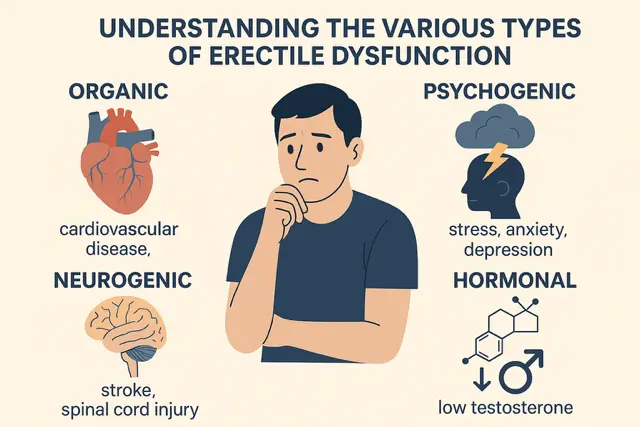
Erectile dysfunction (ED) affects many men across Australia, yet it remains a topic surrounded by stigma and confusion. Understanding the different causes and forms of erectile dysfunction can help men make more informed decisions about their health and treatment options. ED is not a one-size-fits-all condition — it can arise from physical, psychological, or lifestyle factors, and often a combination of these.
Whether you’re just beginning to notice signs of ED or have been dealing with it for some time, understanding the root cause is essential.
What Is Erectile Dysfunction?
Erectile dysfunction is defined as the consistent inability to achieve or maintain an erection firm enough for sexual intercourse. It’s more common than many think, especially as men age, but it’s not an inevitable part of getting older. In Australia alone, it’s estimated that up to one in five men over 40 experience ED at some point in their lives.
ED can manifest in several ways: complete inability to achieve an erection, difficulty maintaining an erection, or reduced sexual desire. Understanding these symptoms is the first step toward exploring appropriate management approaches. It’s also important to recognise that ED can be a symptom of underlying health issues, including cardiovascular disease, diabetes, or psychological stress.
Physical Causes of Erectile Dysfunction
Physical or organic ED occurs due to issues that impair blood flow, nerve function, or hormone levels. Common physical causes include high blood pressure, diabetes, obesity, and heart disease — all of which are prevalent among Australian men. Smoking, alcohol abuse, and sedentary lifestyles can also contribute to physical ED.
Treating the root physical cause often helps support erectile function. Some men also explore medications that may help support erectile function alongside lifestyle changes.
While medication may help manage symptoms, long-term lifestyle changes are equally important. Regular exercise, a balanced diet, and quitting smoking can significantly support overall vascular and sexual health.
Psychological Erectile Dysfunction
Psychological ED stems from mental and emotional factors, including stress, anxiety, depression, and relationship issues. Performance anxiety — often triggered by one difficult sexual experience — can lead to a cycle of ongoing erectile issues. This type of ED is particularly common among younger men in Australia.
Addressing psychological ED often requires more than just medication. Counselling, stress management, and open communication with a partner can be helpful.
To avoid setbacks, it’s important to steer clear of common pitfalls. Our article on Common Mistakes Men Make When Taking Erectile Dysfunction Medication outlines common issues to be aware of when using ED medication.
Neurogenic Erectile Dysfunction
Neurogenic ED is caused by conditions that impair the nervous system’s ability to communicate between the brain and the genitals. This includes disorders such as Parkinson’s disease, multiple sclerosis, spinal cord injuries, and complications from prostate surgery.
For men dealing with neurogenic ED, treatment can be more complex. In such cases, standard oral ED medications may still be effective for some men, depending on the underlying condition and medical guidance.
Men with neurogenic ED may also explore penile injections, vacuum devices, or implanted prostheses depending on the severity. However, many still start with oral options as a first step, especially when the ED is mild or intermittent.
Hormonal Erectile Dysfunction
Hormonal imbalances, particularly low testosterone, are another possible cause of ED. This type of ED may come with other symptoms like fatigue, low libido, and mood changes. Conditions such as thyroid disorders, high prolactin levels, and adrenal gland issues can also interfere with erectile function.
Men in Australia experiencing these symptoms may consider a hormone test to rule out deficiencies. If hormonal imbalance is confirmed, testosterone replacement therapy may be discussed with a healthcare professional. Some men may also explore oral ED treatment options alongside medical management of underlying hormonal imbalances.
It’s important to remember that hormones don’t work in isolation. A healthy lifestyle, medical guidance, and appropriate treatment options can all play a role in supporting sexual health.
Vascular Erectile Dysfunction
Vascular ED is one of the most common forms and results from reduced blood flow to the penis. This can be due to atherosclerosis, high cholesterol, or hypertension. As such, it can sometimes be an early warning sign of cardiovascular disease.
Men experiencing vascular ED should consider a cardiovascular health check. At the same time, medications containing Sildenafil or Tadalafil are commonly used to help improve blood flow and support erectile function. If you’re comparing these two active ingredients, our guide on Erectile Dysfunction Treatment Options Explained: Sildenafil vs Tadalafil explores the key differences between them.
Tadalafil is often discussed because of its longer duration of action, which may last up to 36 hours in some individuals. Lifestyle changes such as exercise and a heart-healthy diet may also support overall vascular and sexual health.
Medication-Induced Erectile Dysfunction
Many prescription medications can cause or worsen erectile dysfunction. These include antidepressants, antihypertensives, and medications used for prostate conditions. While these drugs are essential for treating other health issues, they can interfere with sexual performance in some men.
If you suspect your medication is contributing to ED, speak to your doctor before stopping it. In some cases, a dosage adjustment or alternative prescription may help. Some men also explore fast-acting ED treatment options after discussing suitability with a healthcare professional.
Mixed or Combination Erectile Dysfunction
Many men experience a combination of physical and psychological factors contributing to their ED. For example, a man may have mild vascular issues compounded by anxiety about performance. In such cases, treating only one aspect may not fully resolve the problem.
A holistic approach is often useful. Combining lifestyle improvements, counselling, stress management, and appropriate ED treatment options may help address both the physical and psychological contributors to erectile dysfunction. Some men may also explore treatment approaches that support both erectile performance and premature ejaculation alongside broader lifestyle and emotional wellbeing strategies.
Understanding the various types of erectile dysfunction is the first step toward making informed decisions. Whether your ED is physical, psychological, or a mix of both, seek professional advice and consider evidence-based approaches that best suit your individual needs and health circumstances.